With rapid growth in infrastructure, road construction, and real estate projects,
the demand for quality aggregates and manufactured sand is increasing
across India. A well-designed crushing plant plays a crucial role in meeting this
demand efficiently and profitably.
In this blog, we explain how to set up a crushing plant, the key stages
involved, machinery selection, and best practices to ensure high productivity and
long-term performance.
What is a Crushing Plant?
A crushing plant is a combination of machines used to reduce large stones into
aggregates of various sizes and manufactured sand. These plants are commonly used in
quarries, mining operations, and construction projects.
Crushing plants are designed to produce:
- Coarse aggregates
- Fine aggregates
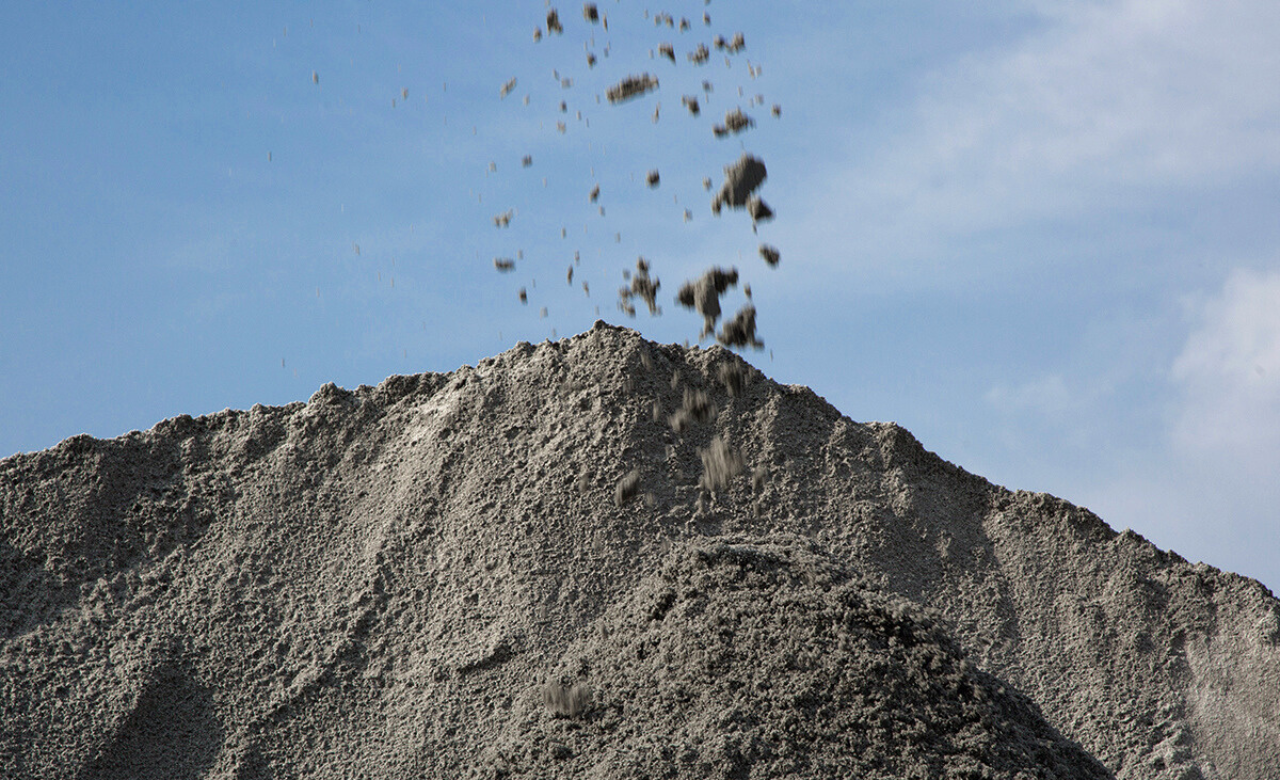
- M Sand and P Sand
Types of Crushing Plants
Depending on project scale and mobility requirements, crushing plants are categorized into:
Stationary Crushing Plant
Best suited for long-term quarry operations with high production capacity and fixed location.
Semi-Mobile Crushing Plant
Offers partial mobility and flexibility while maintaining high output.
Mobile / Wheel-Mounted Crushing Plant
Ideal for short-term projects and remote locations where quick setup and relocation
are required.
Key Factors to Consider Before Setting Up a Crushing Plant
Before investing in a crushing plant, it is important to evaluate:
- Type and hardness of raw material
- Required production capacity (TPH)
- End-product size requirements
- Site conditions and layout space
- Power availability and environmental regulations
Proper planning at this stage helps avoid operational inefficiencies later.
Crushing Plant Setup – Step-by-Step Process
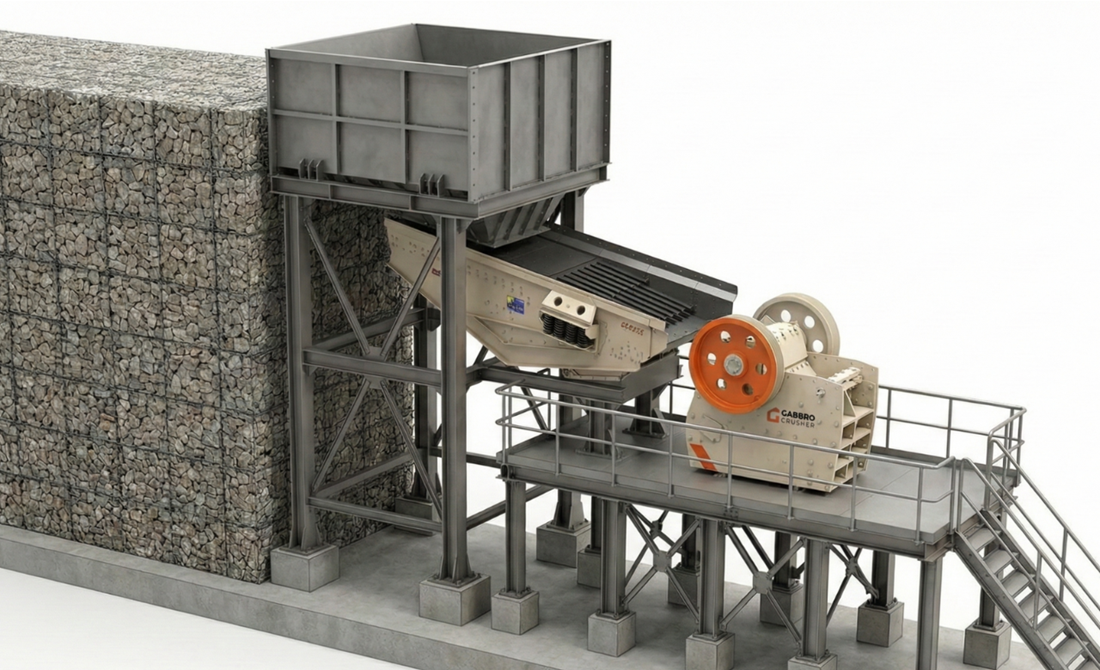
Primary Crushing Stage
The first stage of crushing involves breaking large stone boulders into smaller pieces.
A Jaw Crusher is typically used due to its ability to handle heavy-duty
and hard materials.
A Vibrating Grizzly Feeder ensures uniform feeding and removes fines
before crushing, improving crusher life and efficiency.
Secondary Crushing Stage
In the secondary stage, the material from the jaw crusher is further reduced in size
using a Cone Crusher or HSI Crusher. This stage helps achieve better
size control and prepares the material for final shaping or sand production.
Secondary crushers play a vital role in increasing plant output and reducing overall
wear cost.
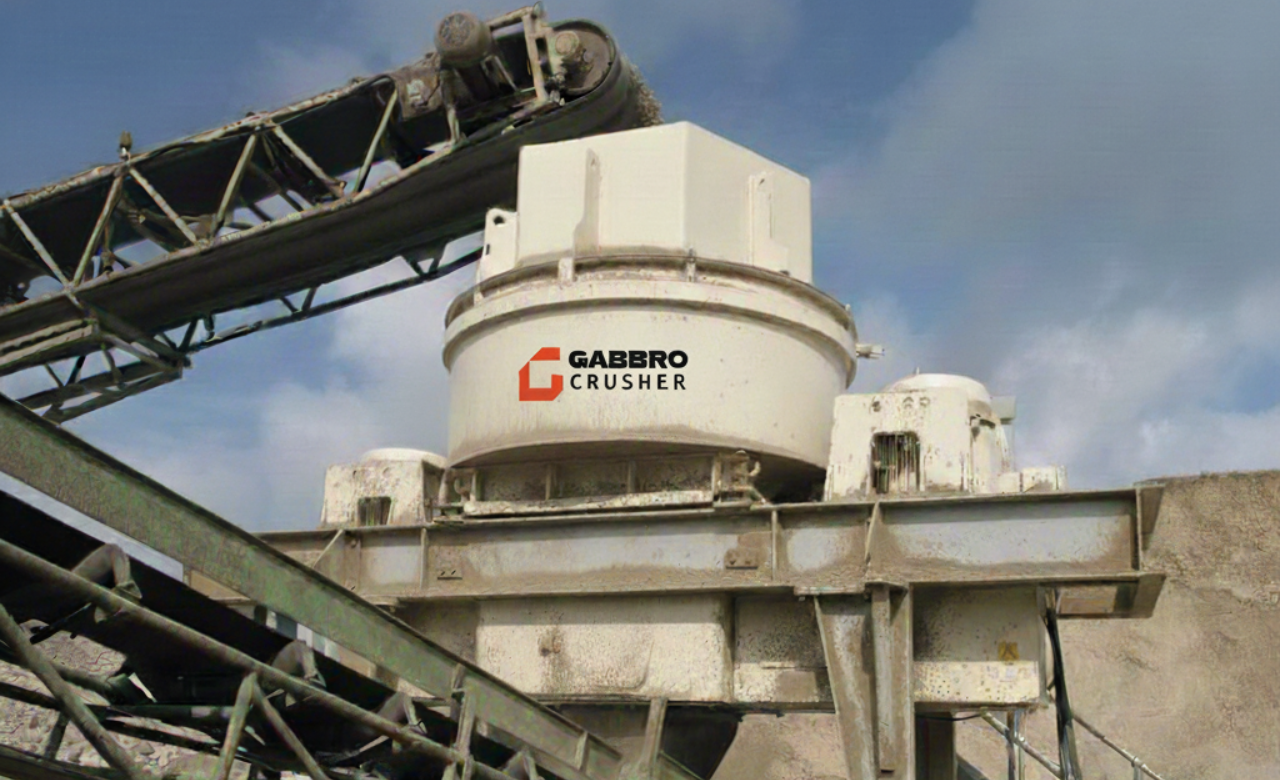
Tertiary Crushing & Sand Making
For plants producing M Sand or cubical aggregates, a VSI Crusher is
added as the tertiary stage. The VSI crusher improves particle shape, reduces flaky
material, and enhances concrete strength.
This stage is especially important for
high-quality aggregate and sand production.
Screening & Material Handling
A Vibrating Screen separates crushed material into different sizes as
per project requirements. Oversized material is sent back to crushers, while finished
products are stored or dispatched.
Conveyors ensure smooth material flow between all stages of the plant.
Crushing Plant Equipment List
A complete crushing plant setup generally includes:
- Vibrating Grizzly Feeder
- Jaw Crusher
- Cone Crusher / HSI Crusher
- VSI Crusher
- Vibrating Screen
- Belt Conveyors
- Dust Suppression System
- Control Panel
Optimizing Crushing Plant Performance
To achieve maximum efficiency, the following practices are essential:
- Correct crusher selection based on material type
- Proper plant layout and material flow design
- Regular maintenance and timely replacement of wear parts
- Use of dust suppression and washing systems for quality improvement
Common Challenges in Crushing Plants
Some common operational challenges include:
- Uneven feed material
- Excessive wear of liners
- Dust generation
- Power fluctuations
These issues can be minimized through proper design, automation, and skilled operation.
Why Choose GABBRO Crusher for Crushing Plant Solutions?
GABBRO Crusher provides complete crushing plant solutions, from
equipment manufacturing to plant design and commissioning. Our machines are built for
high durability, optimized output, and low operating costs, ensuring long-term value
for customers.
Conclusion
Setting up a crushing plant requires more than just machines—it demands careful
planning, right equipment selection, and efficient plant layout. With a well-designed
crushing plant, businesses can achieve consistent quality, high productivity, and
sustainable growth.