The growing shortage of river sand and strict environmental regulations,
M Sand (Manufactured Sand) has become the most preferred alternative
for construction and infrastructure projects across India. Its consistent quality,
controlled grading, and eco-friendly production make it ideal for concrete and
plastering applications.
In this blog, we explain how M Sand is made, the
complete plant setup, required machinery, and the difference between
M Sand and P Sand.
What is M Sand?
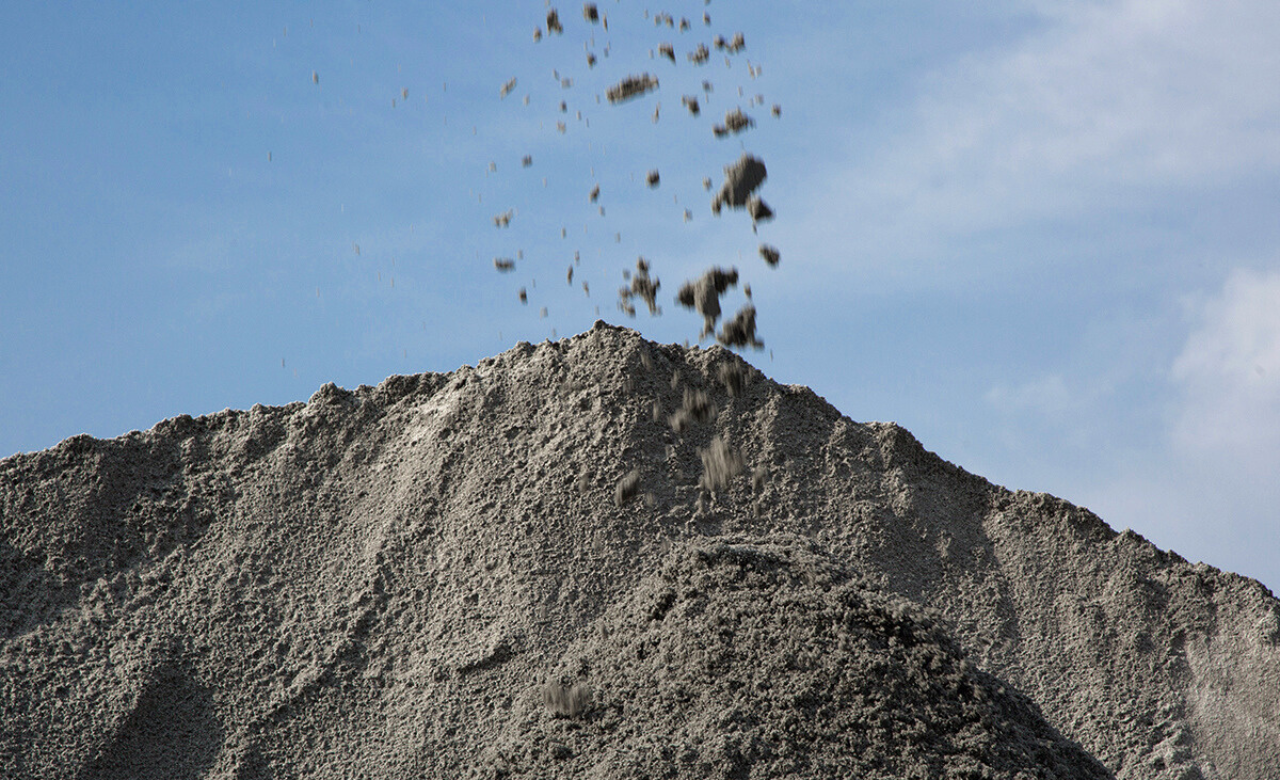
M Sand is an artificially manufactured fine aggregate produced by crushing hard stones
such as granite, basalt, or gabbro in a controlled crushing and screening
process. Unlike river sand, M Sand is free from impurities like clay, silt, and organic
matter, ensuring higher strength and durability in concrete.
Difference Between M Sand and P Sand
Although both are manufactured in the same plant, they serve different purposes:
-
M Sand is primarily used in
RCC works, concrete structures, slabs, beams, and columns,
where strength and particle interlocking are critical.
-
P Sand is used for
plastering and masonry, offering a smoother finish and better
workability.
The difference lies mainly in particle size, grading, and classification stages.
Raw Materials Required for M Sand Production
The quality of M Sand depends heavily on the raw material. Hard rock stones with high
compressive strength are ideal.
Commonly used stones include:
The raw stone size usually ranges from 150 mm to 500 mm before crushing.
Step-by-Step M Sand Manufacturing Process
1. Primary Crushing
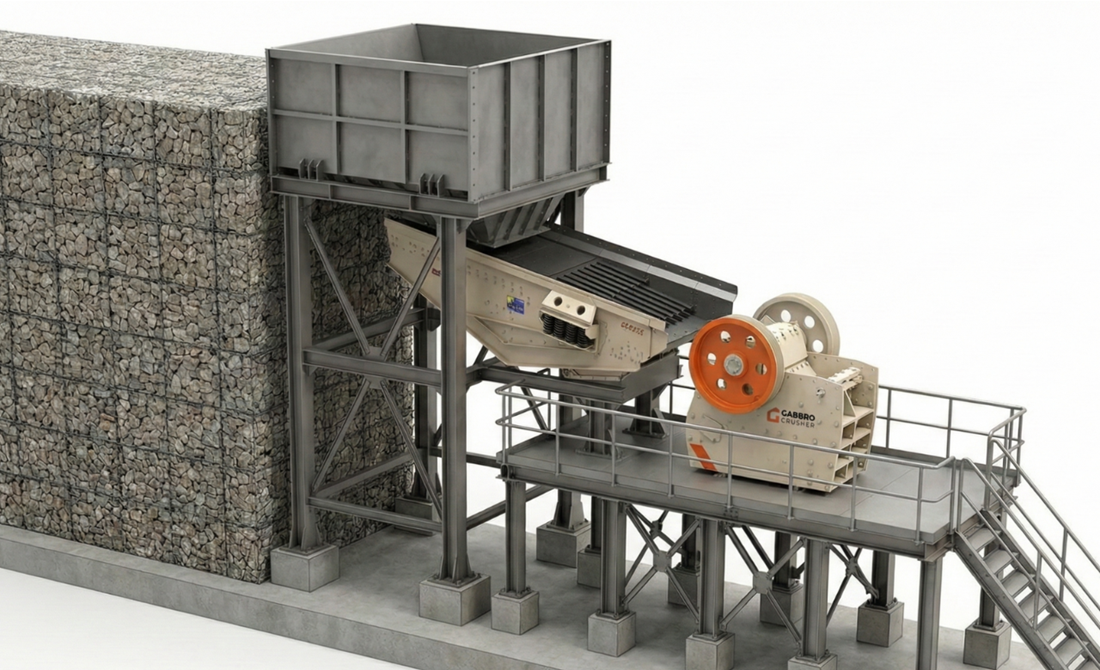
The process begins with large stones fed into a Jaw Crusher, where they
are crushed into smaller sizes. This stage reduces the stone size to make it suitable
for secondary processing.
A Vibrating Grizzly Feeder ensures uniform feeding and removes unwanted fines.
2. Secondary Crushing
The crushed material is then processed in a Cone Crusher or HSI Crusher.
This stage further reduces the size and improves particle consistency before sand making.
Secondary crushing plays a vital role in achieving higher output and reducing wear on
the VSI Crusher.
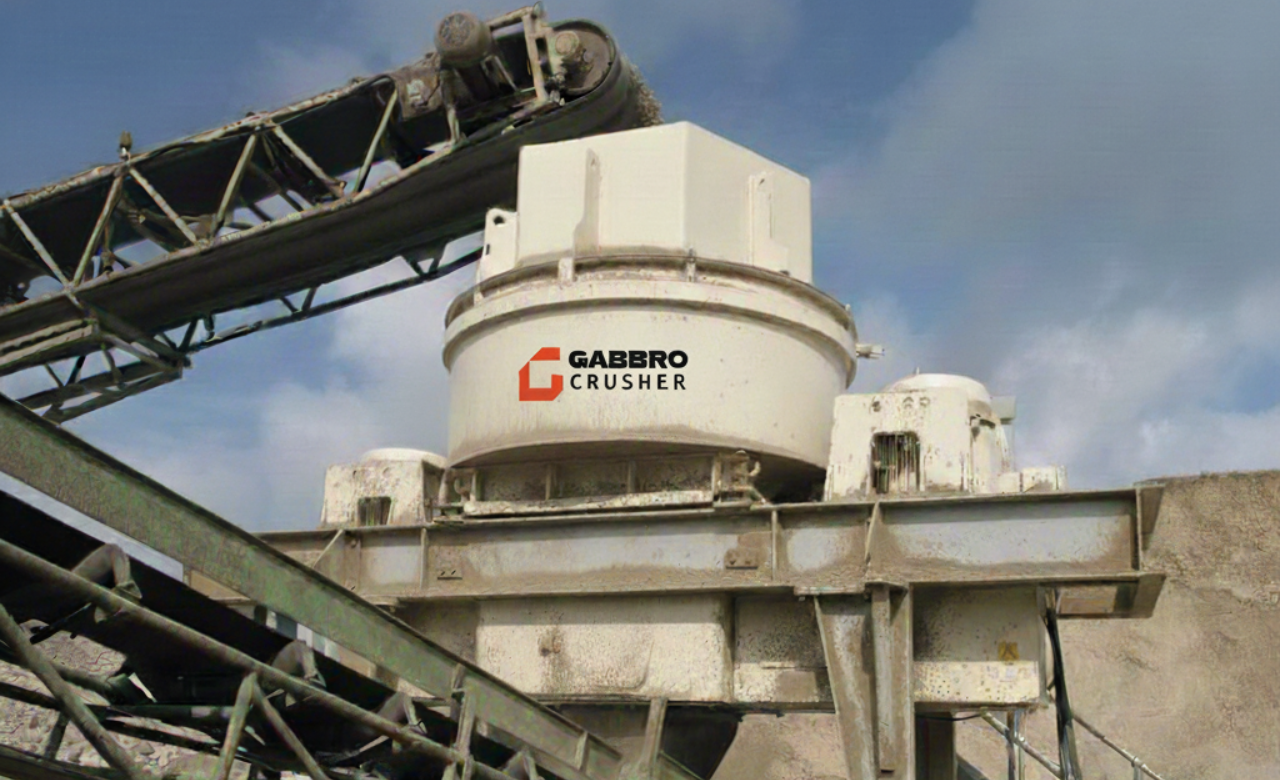
3. Sand Making Using VSI Crusher
The VSI Crusher is the heart of the M Sand manufacturing process. It shapes
the crushed stone into cubical particles by accelerating material at high speed and
crushing it against a rock bed or anvils.
This process ensures:
- Proper grain shape
- Low flaky content
- High compressive strength
4. Screening and Classification
A Vibrating Screen separates the material into different sizes:
- M Sand
- P Sand
- Oversized material (returned to crusher)
This step ensures consistent grading as per construction standards.
5. Sand Washing (Optional but Recommended)
To remove micro dust, clay, and impurities, sand washing systems such as
Hydro Cyclones or Sand Washers are used. Washing improves sand quality
and helps meet IS standards.
M Sand Plant Setup – Machinery Required
A typical M Sand manufacturing plant includes:
- Vibrating Feeder
- Jaw Crusher
- Cone Crusher / HSI
- VSI Crusher
- Vibrating Screen
- Sand Washing System
- Conveyors & Control Panel
Plant capacities range from 30 TPH to 250+ TPH, depending on project requirements.
Why M Sand is Better Than River Sand
- Consistent quality and grading
- Environment-friendly production
- Higher concrete strength
- Better availability and cost stability
Why Choose GABBRO Crusher for M Sand Plants?
GABBRO Crusher offers precision-engineered crushing and sand-making solutions
designed for Indian operating conditions. With robust machines, optimized plant layouts,
and reliable after-sales support, GABBRO ensures higher productivity and long-term performance.
Conclusion
M Sand manufacturing is not just about crushing stones—it is about
selecting the right equipment, designing an efficient plant, and maintaining
consistent quality. With the right setup and advanced machinery, M Sand production
becomes a highly profitable and sustainable business.